
A Non-Invasive, Medication-Free Approach to Brain Optimization
Help your patients reach their potential through safe, scientifically-backed brain training technology.
"Study after study has shown that the symptoms of attention deficit disorder can be controlled through biofeedback… and it can make a huge difference in a child's learning ability and self-esteem."
"Dr. Phil" McGraw, Ph.D.
Syndicated Talk Show Host, Bestselling Author
Safe, Non-Invasive Brain Training
Neurofeedback, also known as EEG Biofeedback, is a brain training technique designed to improve mental and emotional well-being by monitoring brainwave activity in real-time.
Utilizes the brain's ability to change (neuroplasticity)
Uses real-time feedback to reinforce healthier brainwave patterns
Creates new neural pathways for improved regulation and flexibility
Neurofeedback: Exercise For The Brain
Rewiring the Mind for Resilience and Recovery
Neurofeedback, also known as EEG biofeedback, is a non-invasive, evidence-based brain training technique designed to improve mental and emotional well-being. By harnessing the brain's natural ability to adapt and self-regulate, neurofeedback offers a powerful tool for enhancing patient outcomes.
Over time, life's stressors create inefficient neurologic pathways that regulate a patient's emotions, feelings, and reactions. Neurofeedback allows patients to learn how to regulate certain functions so they operate more efficiently and bring their brain activity back to harmony.
By monitoring brainwave activity in real time, neurofeedback helps the brain learn to regulate itself, leading to better focus, reduced stress, and enhanced overall health. The goal is to improve the brain's ability to self-regulate, maintain flexibility, and smoothly transition between states of relaxation and arousal.
Neuroplasticity: The Brain's Adaptive Potential
Rewiring the Mind for Resilience and Recovery
Neuroplasticity—the brain's ability to reconfigure its neural architecture—is the bedrock of neurofeedback's promise. For years, scientists viewed the brain as static beyond childhood, but research now reveals its lifelong adaptability.
Neurons that fire together strengthen their bonds—Donald Hebb's famous axiom: "cells that fire together, wire together"—while unused pathways fade.
With targeted brain training, neurofeedback taps this plasticity by rewarding healthy brainwave patterns. The patient in cognitive-behavioral therapy (CBT) for anxiety might internalize coping skills faster when their brain is less reactive, thanks to neuroplastic changes.
This is not a quick-fix—it's a process of rewiring the brain that complements your treatments.
Forging New Connections
The brain creates new neural pathways based on experience and deliberate training.
Pruning Old Pathways
Unused neural connections fade, making room for new, healthier patterns.
Rewiring for Health
Targeted training shifts the brain from dysregulation to order and resilience.
Operant Conditioning: Shape Behavior, Master Results
Learning Through Rewards, Step by Step
How It Works
EEG cap records live brainwave activity during sessions.
When brainwaves hit target patterns, the screen brightens and sound increases.
The brain learns to sustain target patterns through repetition and reward.
Operant conditioning—from B.F. Skinner's foundational 1938 work—is the engine driving neurofeedback's ability to retrain the brain. The principle is straightforward: behaviors followed by rewards increase, while those without fade.
In neurofeedback, the "behavior" is brainwave activity, and the reward is sensory feedback—a movie brightening or a game progressing when the brain hits target patterns.
During a typical 20-minute session, patients wear an EEG cap or headband and watch their favorite video, movie, or play a game. When brainwave activity reaches the optimal range, it's rewarded with positive reinforcement—the screen becomes brighter and sound more audible. If brainwaves deviate, it triggers a subtle change in audio or video feedback.
This operant conditioning creates long-term, positive changes in the brain.
Simplified Neurofeedback for Providers
MindBrite simplifies neurofeedback for providers by handling the setup, training, and analysis – allowing you to focus entirely on patient care.
Unlike other companies, we partner directly with healthcare providers without requiring them to become certified neurofeedback experts.
Complete Partnership
We manage the technical aspects so you can focus on patient outcomes.
No Learning Curve
Offer neurofeedback without the need for extensive training or certification.
Revenue Stream
Generate new income by adding a high-value service.

How the MindBrite Process Works
From the first brain map to the final session, MindBrite's system is designed to be seamless for clinicians and effortless for patients.
Neuroassessment
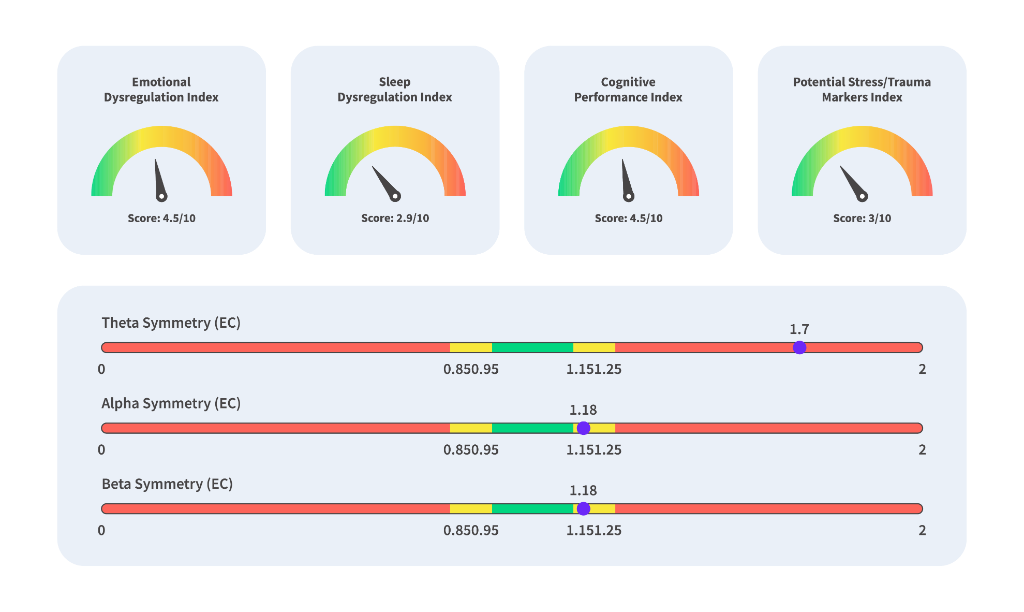
Every patient begins with a brain map — a precise, non-invasive measurement of their brainwave activity. This assessment identifies patterns associated with their specific presenting concerns and serves as the foundation for all subsequent care.
Individualized Protocol Design
MindBrite's clinical team works with your providers to design a neurofeedback protocol tailored to each patient's unique brain map. No one-size-fits-all approaches — every protocol is built around objective data.
Remote Session Delivery
Patients complete their neurofeedback sessions from home using MindBrite's secure remote platform. Sessions are effortless for the patient — they simply sit and relax while the brain learns to regulate more efficiently.
Ongoing Progress Monitoring
Clinicians track outcomes using validated measures at regular intervals. Protocols are adjusted as the brain responds, ensuring patients continue to progress toward their goals.
The Benefits of Neurofeedback for Your Practice
Enhance Patient Outcomes
Help patients manage symptoms of anxiety, ADHD, depression, and more.
Create a New Revenue Stream
Offer a high-value service without steep learning curves.
Differentiate Your Practice
Position yourself as a leader in innovative, medication-free solutions.
Build Patient Trust
Demonstrate commitment to advanced, non-invasive care options.
How Does Neurofeedback Training Work?
Neurofeedback uses neuro assessment data to assess and train brainwave patterns.
Capture Brain Activity
Sensors placed on the head and ears measure electrical impulses.
Analyze in Real Time
Software compares brainwaves to optimal patterns.
Reinforce Positive Changes
Visual and audio feedback rewards the brain for reaching target patterns.
Establish Long-Term Benefits
Repeated sessions strengthen new neural pathways, leading to lasting improvements.

A session typically lasts 20 minutes, while the patient watches their favorite video or plays a game. This positive reinforcement helps the brain self-regulate more effectively over time.
Creating Your Unique Brain Training Program
We combine brain mapping, targeted questionnaires, and medical history to design a personalized, drug-free brain training program tailored specifically for your patient.
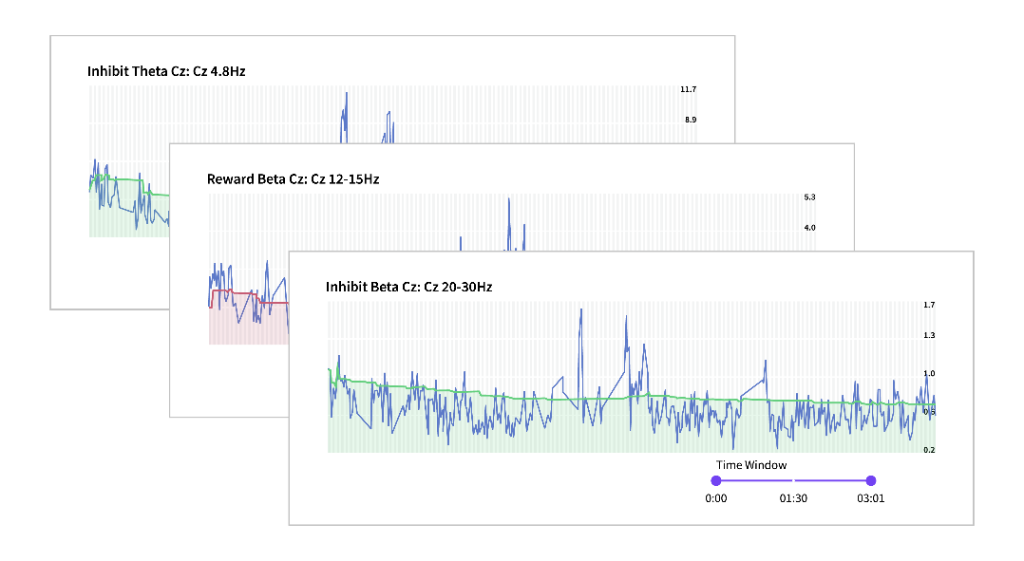
Brain Mapping & Measurements
Advanced EEG technology captures your unique brainwave patterns and identifies areas that need optimization.
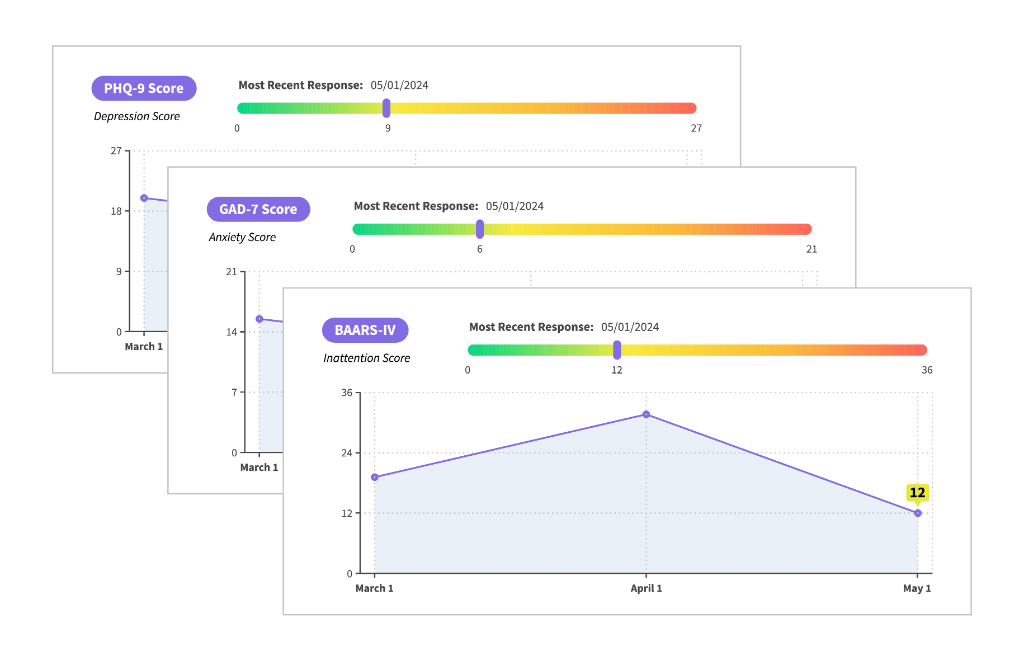
Targeted Questionnaires
Comprehensive assessments capture your symptoms, concerns, and health goals to ensure a truly personalized approach.
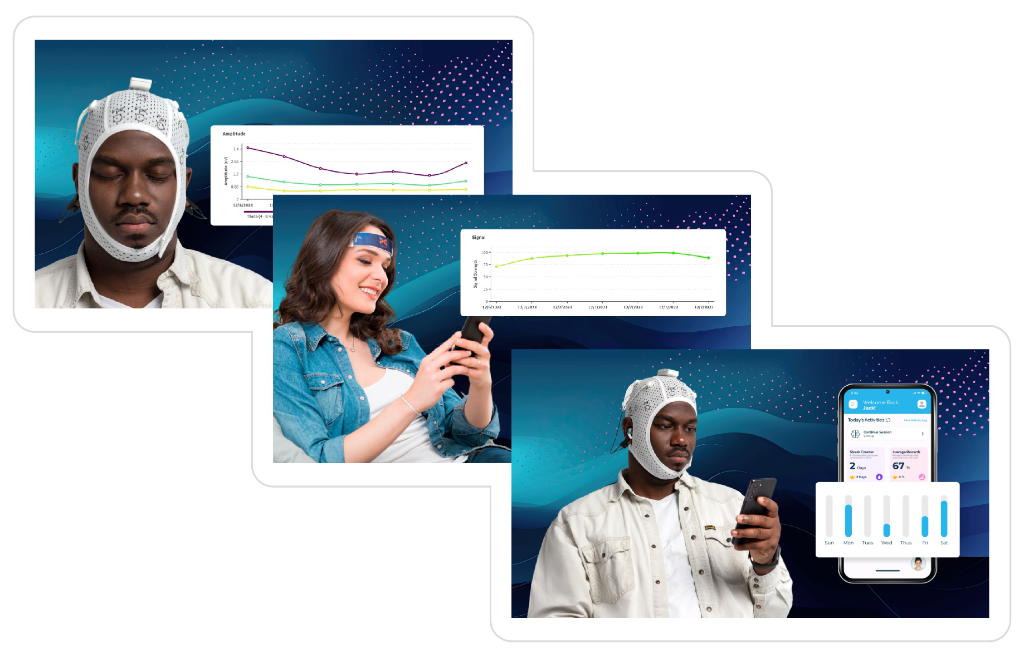
Real-Time Training
Combined with your medical history and intake information, we create a precise, personalized brain training protocol.
Every brain is unique. That's why we don't use a one-size-fits-all approach. Our assessment process integrates three key components:
- Brain Mapping: Objective EEG data reveals your specific brainwave imbalances and areas needing training.
- Targeted Questionnaires: Standardized assessments measure your symptoms, mood, attention, and behavioral patterns.
- Medical & Intake History: A complete understanding of your background, medications, and health goals ensures safe, effective training.
Together, these insights create a personalized, wise, and drug-free brain training program designed specifically for your needs.
Clinical Proof and Success Stories
Neurofeedback is backed by extensive research and used by clinicians worldwide.
Shown to improve focus, mood regulation, and cognitive function over time
Supported by clinical studies showcasing measurable results
Positive outcomes for patients managing anxiety, depression, ADHD, and PTSD
Why Choose Neurofeedback?
A non-invasive and data-driven approach to helping patients manage symptoms effectively.
Non-Invasive
Minimal side effects compared to pharmaceuticals.
Sustainable Outcomes
Reinforces healthier brainwave patterns for long-term benefits.
Complementary to Therapy
Can enhance results when combined with talk therapy or other therapeutic modalities.
Ready to Get Started?
Join hundreds of healthcare providers offering remote neurofeedback to their patients.